By Iacob Pastina, Independent Researcher
Brand-Name vs Compounded GLP-1s: What You Need to Know in 2026
The FDA ended the semaglutide shortage in February 2025, upending the compounded GLP-1 market. Here's what changed, what's legal, and how to choose.
Summarize this article with
Compounded GLP-1 medications are no longer widely available in 2026 after the FDA ended the semaglutide shortage in February 2025 and began enforcement actions against compounding pharmacies. Brand-name prices have dropped significantly — Wegovy is now $349/month through NovoCare and Zepbound vials start at $299/month through LillyDirect — narrowing the cost gap that made compounded versions appealing. For years, compounding pharmacies offered affordable alternatives at $150-300/month vs $1,000+, but the regulatory landscape shifted dramatically, and the compounded GLP-1 market looks very different today. Check our FDA Safety Checker to verify any provider, compare all 40 programs by price and score, or read about the new Foundayo pill as an alternative.
What Are Compounded GLP-1s?
Compounded GLP-1 medications are custom-mixed formulations prepared by compounding pharmacies using the base active ingredient (semaglutide or tirzepatide). They are NOT FDA-approved products and they are NOT generics. There are two types of compounding pharmacies:
- •503A pharmacies: Traditional state-licensed compounding pharmacies that fill patient-specific prescriptions
- •503B outsourcing facilities: Larger-scale facilities registered with the FDA that can produce compounded drugs without patient-specific prescriptions
Are Compounded GLP-1s Still Legal in 2026?
Under federal law, compounding pharmacies can only produce copies of commercially available drugs when those drugs are in shortage. Here's what happened:
- •February 21, 2025: FDA removes semaglutide from the drug shortage list
- •April 22, 2025: Enforcement deadline for 503A (state-licensed) pharmacies to stop compounding semaglutide
- •May 22, 2025: Enforcement deadline for 503B outsourcing facilities
- •September 2025: FDA issues 50+ warning letters to compounders for false/misleading marketing claims
- •February 2026: FDA announces seizure and injunction powers against non-compliant compounders
Tirzepatide (Mounjaro/Zepbound) compounding enforcement ended even earlier — March 2025. A Texas federal judge upheld the ban.
Are Compounded GLP-1s Safe?
The FDA has documented significant safety issues with compounded GLP-1 products:
- •520+ adverse event reports for compounded semaglutide as of April 2025
- •480+ adverse event reports for compounded tirzepatide
- •Reports of patients self-administering 5-20x the intended dose due to vial confusion
- •Impurities found up to 24% in some tested compounded products
- •Fraudulent products with fake pharmacy labels identified by regulators
- •Multiple hospitalizations documented
Brand vs Compounded: Direct Comparison
| Factor | Brand-Name | Compounded |
|---|---|---|
| FDA approved | Yes | No |
| Manufacturing | Full cGMP compliance | Varies by pharmacy |
| Quality testing | Extensive batch testing | Limited |
| Active ingredient | Exact patented formulation | May use different salt forms |
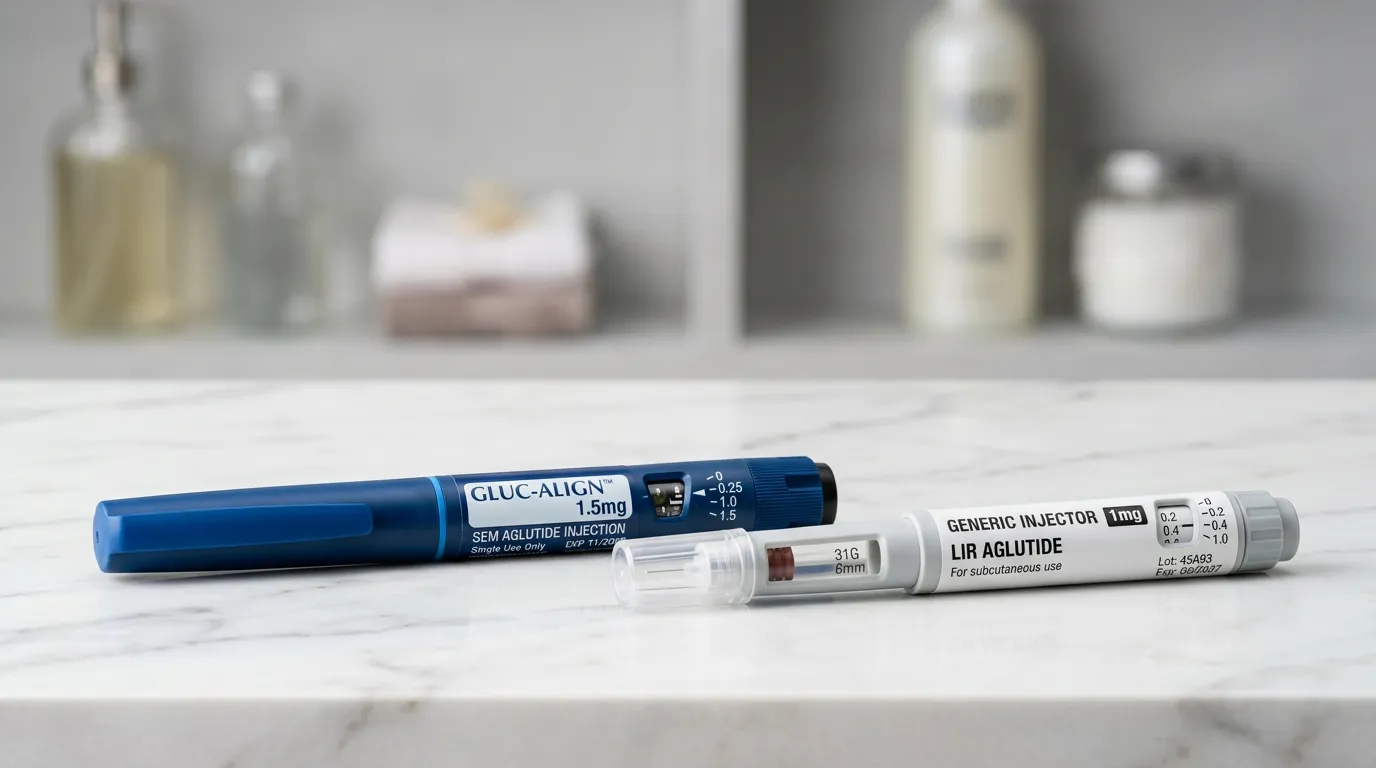
| Delivery | Pre-filled auto-injector pens | Vials with manual syringes |
| Monthly cost | $900-1,350 (list) / $349 (self-pay programs) | $149-299 (where still available) |
| Insurance eligible | Yes, with prior auth | Generally not covered |
| Legal status (2026) | Fully legal | Restricted to narrow medical-necessity cases |
What This Means for You in 2026
The compounded GLP-1 market hasn't disappeared entirely, but it has shrunk significantly according to the FDA's compounding policy update. Some providers still offer compounded options under narrow medical-necessity exemptions (e.g., documented allergy to inactive ingredients in brand products). Compounding for cost savings alone is not a legally valid basis.
The good news: brand-name prices have dropped substantially. Novo Nordisk now offers Wegovy/Ozempic at $349/month through self-pay programs, and Eli Lilly sells Zepbound vials for $299-449/month through LillyDirect. Medicare coverage at $50/month copay launches in July 2026. These changes narrow the price gap considerably.
If you're currently using a compounded GLP-1, talk to your provider about transitioning to a brand-name option — especially with the new pricing programs and upcoming Medicare coverage.
The Lawsuit Landscape
Both major GLP-1 manufacturers have been aggressively protecting their products:
- •Novo Nordisk filed 130+ lawsuits against compounders across 40 states
- •Novo Nordisk sued Hims & Hers in February 2026; they settled in March 2026 with a partnership deal for Hims to distribute branded Wegovy
- •Eli Lilly sued multiple telehealth companies and compounders
- •Strive Pharmacy filed an antitrust countersuit against both companies in January 2026
Medical Disclaimer: This article is for informational purposes only and does not constitute medical advice. Always consult with a qualified healthcare provider before starting any medication. Information is current as of the publication date but may change.
Affiliate Disclosure: Some links in this article are affiliate links. We may earn a commission if you sign up through our links, at no extra cost to you.